The first Dutch quantum computer comes from Twente: QuiX Quantum reaches a global milestone
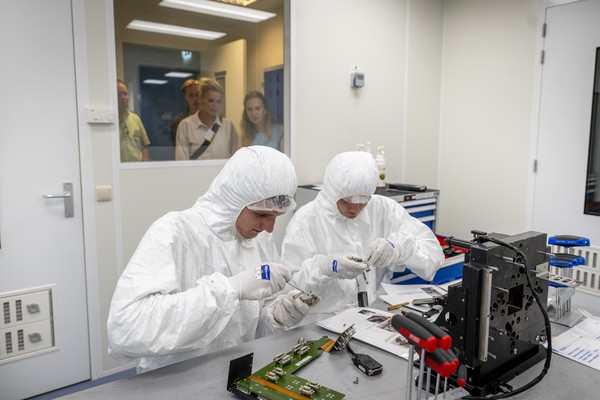
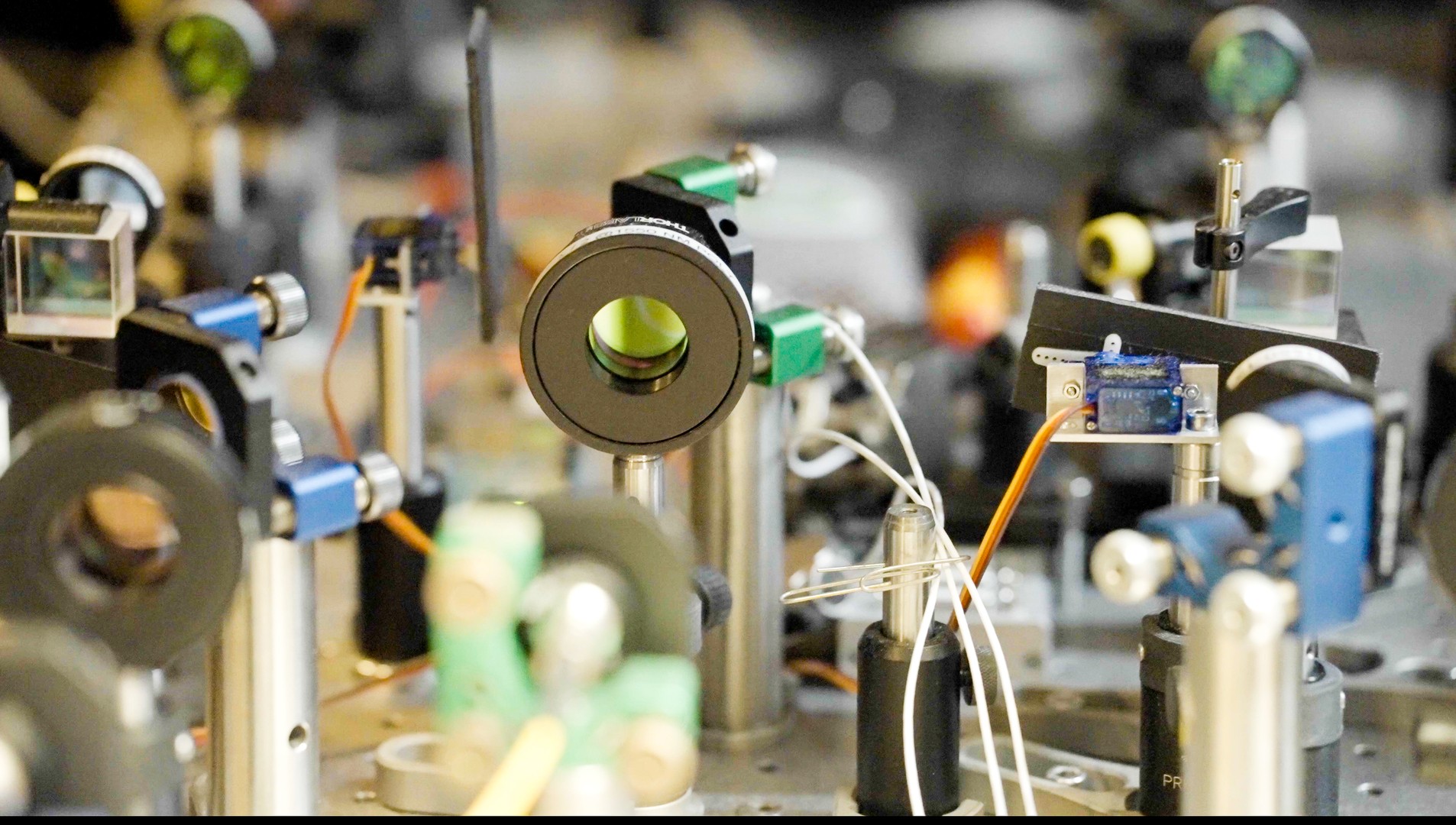
Twente has reached another technological milestone. QuiX Quantum, an Enschede-based company and spin-off from the University of Twente, has delivered the first Dutch quantum computer. The new system, named Carina, is also the world’s first universal photonic quantum computer architecture developed for deployment in real-world data centre environments.
Date of Publication: 15 July 2026
Read time +/- 3.7 minutes
For many people, quantum computing still sounds like something from the distant future. Yet the technology is already being developed in Twente today—and at a rapid pace. With Carina, QuiX Quantum demonstrates that quantum computers are no longer confined to laboratories but are moving closer to practical, real-world applications.
A breaktrough from Enschede
Carina was developed as part of the DLR Quantum Computing Initiative in Germany and marks an important step towards the next generation of quantum computers. While many of today’s quantum systems are designed for specific calculations, Carina is capable of running virtually any quantum algorithm. This lays the foundation for future applications in areas such as healthcare, materials development, logistics, and artificial intelligence.
What makes this achievement even more remarkable is that the technology operates largely at room temperature. As a result, the system can be integrated into existing data centres far more easily than many other quantum computers, which require extreme cooling conditions.
Why is this happening in Twente?
The fact that this breakthrough comes from Enschede is no coincidence. For years, Twente has been among Europe’s leading regions in photonics, chip technology, and quantum research. Within the regional ecosystem, researchers, startups, scale-ups, and established companies work closely together to develop innovative technologies.
QuiX Quantum is a strong example of this collaborative environment. The company originated at the University of Twente and is building quantum computers for an international market from its headquarters in Enschede.
According to CEO Stefan Hengesbach, Carina bridges two worlds: systems that are ready for near-term applications and architectures capable of enabling universal quantum computing at scale.
Opportunities for talent
For students, researchers, and professionals, this development highlights the vast opportunities available within Twente’s technology sector. Quantum technology is still in the early stages of its global development, meaning that the specialists who will shape the field in the years ahead are being trained right now.
From quantum software and photonics to chip design, artificial intelligence, and systems architecture, companies such as QuiX Quantum are creating challenging career opportunities at the intersection of science and entrepreneurship. At the same time, they provide access to international collaborations with organisations such as Germany’s DLR and other leading European technology partners.
Building world-class technology
With the delivery of Carina, QuiX Quantum further strengthens its position as one of the leading players in Europe’s quantum sector. For Twente, it is yet another example of how groundbreaking research can evolve into technology with global impact.
And for talented people who want to help build the computers of the future, the message is clear: that future is being built in Twente.
Share article on:
Wendy van Til