Dutch-German co-innovation: QuiX Quantum and DLR QCI accelerate the quantum revolution
QuiX Quantum, a pioneer in photonic quantum computing, is showing how close collaboration with knowledge institutions and industrial partners can push technological boundaries. Commissioned by the DLR Quantum Computing Initiative (DLR QCI) of the German Aerospace Center (DLR), the Enschede-based company is developing advanced photonic quantum computers, creating new opportunities for both science and industry.
Date of Publication: 03 March 2026
Read time +/- 6.6 minutes
QuiX Quantum is the only company in the Netherlands capable of manufacturing a complete quantum computer, from chip to system. Unlike traditional electronic-based approaches, QuiX uses photons, which better preserve quantum information and are less prone to environmental interference. “About 80% of our work focuses on improving the photonic system, with the rest devoted to architecture and control systems,” says CEO Stefan Hengesbach.
Technology from Twente goes cross-border
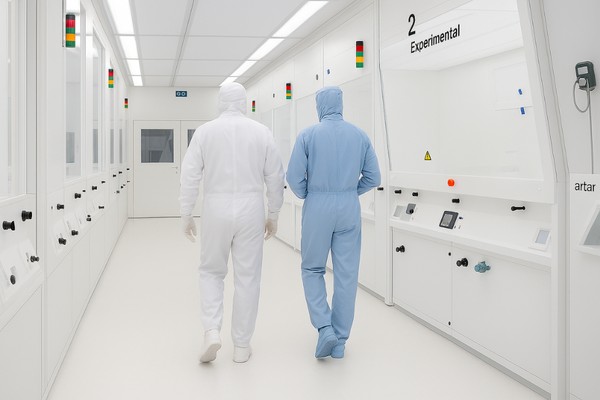
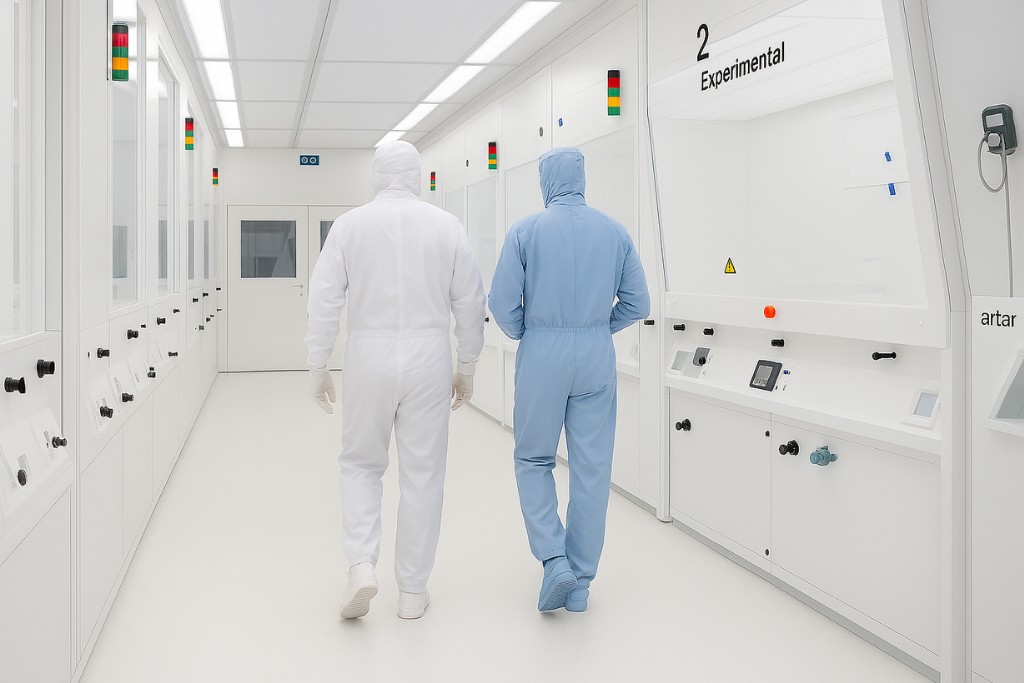
Today, QuiX leverages multiple foundries across Europe to produce its quantum photonic chips. Yet the technology has its roots in Twente: the company’s first quantum processors were produced locally by LioniX International, a leading global supplier of customized microsystems. A unique low-loss chip is still produced in the MESA+ cleanroom at the University of Twente. Hengesbach emphasizes that the region provides an inspiring environment for their work. As he explains, “Twente offers expertise in silicon nitride, photonic packaging and quantum optics. That ecosystem has been essential in bringing our technology to life”.
QuiX’s ambitions extend beyond the Netherlands. To enable co-innovation as part of the DLR QCI, the company expanded into Germany, with offices in Ulm and Stuttgart. “We follow talent and early adopters of quantum technology, like DLR QCI, to build systems on site and innovate together. Core R&D remains in Twente, but European expansion is vital for our projects.”
Co-innovation and structural collaboration
The German Aerospace Center (DLR) is Germany’s national research center for aeronautics, space, energy, transport, security and digitalization. The German Space Agency at DLR plans and implements Germany’s space activities on behalf of the Federal Government, while DLR’s Project Management Agency manages publicly funded research programs for federal and state ministries and other clients.
“Combining different cultures, backgrounds and expertise accelerates technology transfer.”
In addition to this broad remit, DLR is committed to pioneering research in the field of quantum computing. Building on its strong scientific foundation in quantum technologies, the DLR Quantum Computing Initiative (QCI) aims to accelerate the development of quantum computers and foster a robust European network of companies and researchers.
Karla Loida, project lead for quantum computing hardware at DLR QCI, explains more: “We run competitive tenders and have industry partners build quantum computers that are developed and installed at our premises. Colocation of startups, industry and DLR researchers fosters collaboration, creating technological progress as well as a vibrant ecosystem. QuiX is a key player in this effort.”
Cultural differences: where creativity meets structure
The partnership between QuiX and DLR QCI brings together not only innovative technology, but also contrasting work cultures. “DLR operates in a highly structured way, with strict specifications and project plans,” Hengesbach explains. “In Twente, it’s more hands-on, highly creative, and all about rapid prototyping. That combination forces us to think both innovatively and industrially. We take the knowledge gained in Germany and bring it back home, benefiting the local ecosystem.”
Loida adds: “We work together with the local QuiX team at our innovation center in Ulm, where you’ll find various international experts. Combining different cultures, backgrounds and expertise accelerates technology transfer, as everyone approaches problems from different perspectives.”
“The region is well connected, offers high-quality expertise in photonics, and has an excellent startup ecosystem with sufficient support for scale-ups.”
Twente: gateway to Europe
QuiX illustrates why Twente is a hub where science, industry, and infrastructure converge in an open, international environment. “Within a few hours, you can reach anywhere in the Netherlands, and key suppliers and development partners in Germany,” says Hengesbach “The region is well connected, offers high-quality expertise in photonics and electronics and has an excellent startup ecosystem with sufficient support for scale-ups.” According to Hengesbach, collaboration is easy in Twente. “You can drop in on neighbors and immediately get feedback or inspiration for new ideas. That sparks innovation.”
From prototypes to practical applications
The cross-border collaboration between QuiX Quantum and DLR QCI highlights how co-innovation drives progress in quantum technology. With Twente’s strong knowledge base and international approach to development, the partnership is accelerating growth for both QuiX and the European quantum ecosystem. “Our concept works,” Loida confirms. “Startups gain access to fully funded projects, joint development and co-location drive innovation, and end users obtain access to various platforms. This allows us to stay competitive in the quantum race, and ensures that quantum computing becomes practical in the short term.”
Next Tech
Quantum computing will transform everything from medicine to mobility, solving problems today’s supercomputers can’t touch. In Twente, pioneers like QuiX are laying the foundation for quantum innovation, where European collaboration in photonics and quantum technology is shaping the technology of the future.
To showcase Twente’s innovative high‑tech ecosystem to international entrepreneurs, Oost NL and Twente Board jointly developed the booklet Accelerate Next Tech. This article is part of that collection, highlighting how collaboration and technology drive innovation in the Twente region.
Share article on:
Elke Agten
Quix Quantum, DLR